The concept of preparing for the unforeseen, especially scenarios as daunting as a “World War 3” event or widespread societal disruption, underscores the critical importance of a well-assembled emergency survival kit. While the accompanying video offers a rather unconventional and humorous take on essential survival items, the underlying premise of readiness is profoundly serious. Developing a robust, practical survival kit requires a strategic approach, focusing on validated methodologies and high-quality gear designed for sustained resilience in austere conditions.
Effective preparedness moves beyond theoretical scenarios, demanding tangible resources and practical skills. This comprehensive guide delves into constructing an expert-level survival kit, designed not just for a hypothetical global conflict but for any significant disaster that could disrupt normal infrastructure and services. We will explore the critical components, rationale, and best practices for assembling a kit that truly enhances survivability.
Understanding the Fundamentals of a Robust Emergency Survival Kit
A comprehensive emergency survival kit is not a single entity but a layered system, optimized for various durations and mobility requirements. Professional preppers and survivalists often categorize their gear into several distinct types of kits. These include Everyday Carry (EDC) items, 72-hour Go-Bags or Bug-Out Bags (BOB), and longer-term caches for sustained operations.
The foundational principle guiding any survival strategy is the “Rule of Threes,” which highlights the critical timelines for human survival without essential resources. An individual can typically survive three minutes without air, three hours without shelter in extreme conditions, three days without water, and three weeks without food. Consequently, a meticulously designed disaster preparedness kit prioritizes these elements, ensuring immediate and sustained access to life-sustaining necessities.
Designing Your Core Survival Loadout
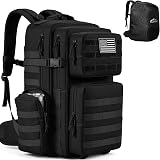
Your EDC kit, encompassing items like a quality multi-tool, a compact light source, and basic medical supplies, serves as your immediate line of defense. This small, easily accessible collection addresses minor emergencies and unforeseen daily disruptions. Expanding on this, the 72-hour kit, or Bug-Out Bag (BOB), is engineered for rapid evacuation and short-term self-sufficiency. This bag contains provisions for three days, covering the most immediate needs when conventional support systems are unavailable.
A comprehensive BOB should weigh optimally to ensure mobility without compromising essential supplies. It is imperative to periodically review and update these kits, replacing expired items and upgrading gear as advancements occur. Maintaining a well-organized and accessible kit is as crucial as its contents.
Essential Medical Preparedness and Trauma Care
The video humorously suggests ramen noodles for chest wounds, but genuine trauma care demands professional-grade supplies and knowledge. Significant bleeding, for instance, represents a rapid path to incapacitation or fatality. Consequently, a highly effective survival kit must include advanced medical provisions, focusing on immediate life-threatening injuries.
A well-stocked trauma kit typically includes multiple tourniquets, high-quality hemostatic dressings, pressure bandages, and chest seals. These items are crucial for managing severe hemorrhage and penetrating chest trauma, conditions where rapid intervention is paramount. Furthermore, a broader first-aid component should address common injuries and illnesses, containing antiseptic wipes, various bandages, pain relievers, and prescription medications specific to the individual’s needs. Understanding the proper application of these tools through training is just as important as having them.
Securing Potable Water: Filtration and Storage
Given the “three days without water” rule, access to clean drinking water is non-negotiable in any survival scenario. The video rightly emphasizes a filter device, but the nuances of water purification extend far beyond a single tool. Contaminated water sources can quickly lead to debilitating illnesses, rendering an individual unable to function effectively.
A robust water strategy involves multiple layers of purification and storage. Portable water filters, such as those employing hollow fiber membranes or ceramic elements, are essential for removing bacteria and protozoa. Chemical purification tablets (e.g., iodine or chlorine dioxide) provide a lightweight, compact backup for viral threats. For stationary long-term scenarios, larger gravity-fed filtration systems can process greater volumes. Additionally, collapsible water containers and sturdy bottles for transport and storage are indispensable, allowing for the collection and rationing of this vital resource.
Sustenance for Prolonged Scenarios: Emergency Food Supplies
While the video quips about Spam becoming appealing after 30 days, effective emergency food planning involves calorically dense, long-shelf-life provisions that require minimal preparation. The goal is to provide sustained energy and nutrition when conventional food sources are nonexistent. Emergency rations must be carefully selected to provide adequate calories, protein, and essential nutrients.
Ideal survival foods include freeze-dried meals, MREs (Meals, Ready-to-Eat), and high-calorie survival bars. These options offer extended shelf lives, compact packaging, and often require only hot water for preparation, or none at all. Strategic rotation of these supplies is crucial to ensure freshness and palatability. Furthermore, a minimum of a two-week supply is often recommended for initial short-term disasters, with a longer-term strategy extending to several months or even a year for comprehensive disaster preparedness planning.
Respiratory Protection and CBRN Defense
The “three minutes without air” rule becomes terrifyingly relevant in scenarios involving airborne contaminants, whether from industrial accidents, biological threats, or nuclear fallout. A gas mask, as mentioned, is a critical component for safeguarding respiratory health. However, its effectiveness hinges on the right type of mask and appropriate filter cartridges.
Modern military-grade gas masks offer broad-spectrum protection against chemical, biological, radiological, and nuclear (CBRN) agents. Paired with sealed filter canisters, these devices can offer vital respiratory and ocular protection. Complementing this, a hazmat suit, or more practically, a full-body protective suit with taped seams, can offer dermal protection against certain agents. Understanding the limitations of such equipment and practicing donning and doffing procedures in a non-contaminated environment are vital for effective deployment in a real crisis.
Personal Security and Defensive Measures
In a world where societal order may degrade, personal security becomes a paramount concern. The video’s suggestion of “pots and pans” for armor, while comical, underscores a valid concern for protection. While professional body armor offers the most reliable defense against ballistic threats, it is not always feasible or accessible. Therefore, personal defense within a survival context encompasses a broader spectrum of strategies.
This includes acquiring proficiency in self-defense techniques, understanding situational awareness, and potentially having non-lethal and lethal defensive tools, depending on local regulations and personal ethics. A high-quality multi-tool or fixed-blade knife, like the Swiss Army knife highlighted, extends beyond utility to serve as a last-resort defensive implement. Ultimately, the most effective defense involves avoiding confrontation through intelligent navigation and strategic concealment, making a robust emergency survival kit invaluable for securing personal safety.
Illumination, Fire, and Shelter for Adverse Conditions
Darkness compounds the challenges of any survival situation, making reliable illumination indispensable. Beyond a simple battery torch, a multi-faceted approach to lighting ensures redundancy and adaptability. This includes durable LED flashlights with spare batteries, headlamps for hands-free operation, and chemical light sticks for ambient, low-signature illumination.
The ability to create fire is another fundamental survival skill, providing warmth, purifying water, cooking food, and offering psychological comfort. A fire tool or ferrocerium rod is superior to matches or lighters due to its resilience against moisture and its long lifespan. For shelter, a compact emergency tarp, a robust bivy sack, or even an intelligently constructed improvised shelter can provide critical protection against the elements, preventing hypothermia or hyperthermia and securing essential rest.
Communication, Navigation, and Morale
Maintaining communication and the ability to navigate are crucial for situational awareness and potential rescue or rendezvous. A hand-crank or solar-powered NOAA weather radio can provide vital information regarding developing threats. For off-grid communication, GMRS/FRS radios or amateur radio equipment can be invaluable. Terrestrial navigation tools, such as a map and compass, with practiced proficiency, are indispensable backups to any electronic GPS devices, which may fail or lose signal.
Finally, psychological resilience is as important as physical supplies. The video’s humorous inclusion of Bacardi touches on the need for morale. While alcohol is generally ill-advised in survival scenarios, small creature comforts, familiar items, or even a journal can help maintain mental fortitude. A well-organized, comprehensive World War 3 Survival Kit instills confidence and peace of mind, proving instrumental in navigating the gravest challenges.
Ready for the Fallout: Your Survival Kit Questions Answered
What is an emergency survival kit for?
An emergency survival kit helps you prepare for unexpected events like disasters or societal disruptions, ensuring you have essential resources when normal services are unavailable.
What are the different types of survival kits?
Survival kits are often categorized into Everyday Carry (EDC) items for minor emergencies, 72-hour Go-Bags (BOB) for short-term needs, and longer-term caches.
What is the “Rule of Threes” in survival?
The “Rule of Threes” outlines how long a person can typically survive without critical resources: 3 minutes without air, 3 hours without shelter, 3 days without water, and 3 weeks without food.
Why is clean water so important in an emergency?
Access to clean drinking water is non-negotiable because humans can only survive about three days without it, and contaminated water can cause serious illness.
What kind of food should I put in my survival kit?
Emergency food supplies should be calorically dense, have a long shelf-life, and require minimal preparation, such as freeze-dried meals, MREs, or high-calorie survival bars.