Statistics suggest that unforeseen wilderness challenges can quickly turn a pleasant outing into a critical situation. When faced with such realities, the ability to rely on core equipment becomes paramount. As highlighted in the accompanying video, the selection of just six **essential survival items** is a crucial exercise for anyone venturing into the outdoors. This carefully considered list, focused on utility and versatility, provides a foundation for emergency preparedness.
The importance of each item is understood when considering a range of potential scenarios. From unexpected weather changes to navigation errors, being equipped with the right tools can significantly increase safety and comfort. This detailed breakdown explores the rationale behind these selections, expanding on their multifaceted uses in a wilderness environment.
The Foundation of Wilderness Preparedness: A Quality Survival Knife
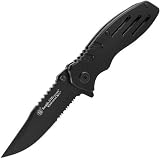
A high-quality survival knife is consistently identified as the cornerstone of any wilderness kit. Its utility in various tasks cannot be overstated. As mentioned, a blade length of 8 to 10 inches is often recommended, as this size offers a balance between control for fine work and leverage for heavier tasks. A full tang construction is critical; this design ensures the blade steel extends through the entire handle, providing superior strength and preventing breakage under stress. Imagine if a sturdy branch needed to be batoned for firewood, or if shelter components required shaping—a full tang knife withstands these demands.
The selection of thicker blade steel, approximately 3/16 of an inch, is also emphasized for its durability. Such a robust blade resists bending and snapping, which is vital when processing wood or performing demanding bushcraft tasks. This is a significant improvement over thinner, more brittle alternatives. A good knife is not merely a cutting tool; it becomes a prying instrument, a fire steel striker, and even a defensive measure, making its selection a primary consideration for any serious outdoor enthusiast.
Processing Wood: Saw or Hatchet for Shelter and Warmth
Efficiently processing wood is indispensable for both fire starting and shelter construction in a survival scenario. The choice between a saw and a hatchet, as discussed, largely depends on personal preference and anticipated use. A quality folding saw is often valued for its lightweight nature and ability to quickly cut through larger logs with less effort than a knife. Clean cuts can be achieved, which is beneficial for crafting more precise shelter components.
Alternatively, a hatchet provides chopping power, useful for felling small trees or splitting larger pieces of wood. It also offers a distinct advantage for light digging or hammering tasks, adding to its versatility. Both tools dramatically reduce the time and energy expenditure compared to relying solely on a knife. The ability to rapidly secure firewood ensures warmth, for cooking, and for signaling, making either option a critical inclusion in any survival gear list.
The Versatility of Cordage: Paracord and Bank Line
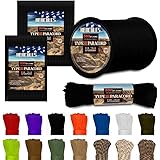
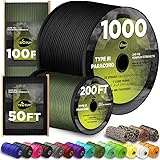
Cordage, such as paracord or bank line, is an unassuming but incredibly versatile survival item. Its primary role in shelter building is well understood; tarps are lashed, and structural supports are secured with reliable rope. Beyond this, its applications extend into numerous other critical areas. Traps can be fabricated, providing a potential food source in an emergency. Fishing lines are easily created, offering another method of sustenance.
Furthermore, cordage has unexpected uses, such as being frayed to create emergency tinder for fire starting. Imagine if a sprained ankle required stabilization; a makeshift splint could be constructed using cordage and natural materials. It can also be used for securing gear, creating clotheslines, or even improvising a bow drill for fire. The strength-to-weight ratio of modern cordage makes it an indispensable addition to any **essential survival items** list, allowing for improvisation in countless situations.
Igniting Hope: The Indispensable Ferro Rod
The ability to start a fire is often considered one of the most vital survival skills. A ferro rod, or ferrocerium rod, stands out as an exceptionally reliable fire-starting tool. Unlike matches, it is unaffected by water, and unlike lighters, it will not run out of fuel. Its main purpose is to create a shower of intensely hot sparks, capable of igniting suitable tinder even in damp conditions. A ferro rod is a simple device that requires a striking tool, often the spine of a knife, to shave off small particles that combust at high temperatures.
This method of fire ignition is remarkably durable, capable of producing thousands of strikes. Being able to start a fire provides warmth, allows for water purification, enables cooking, and can signal for help. Fire also offers psychological comfort in a stressful situation. The reliability and longevity of a ferro rod secure its place as a top-tier fire starter, a small item that carries immense significance for wilderness survival.
Shelter from the Elements: Lightweight Tarp and Emergency Blanket
Protection from the elements is paramount for survival, and a lightweight tarp combined with an emergency blanket offers an effective solution. A tarp provides immediate overhead cover against rain, wind, and sun. Being lightweight, it is easily carried and can be deployed rapidly in various configurations, such as an A-frame, lean-to, or partial enclosure. The flexibility of a tarp allows it to be adapted to the specific environment and weather conditions, offering a customizable shelter system.
An emergency blanket, typically made from reflective Mylar, complements the tarp by providing crucial thermal insulation. It reflects body heat, helping to prevent hypothermia in cold conditions. These blankets are incredibly compact and lightweight, making them ideal for carrying as a backup. Imagine if an unexpected night out required shelter from biting winds; a tarp and emergency blanket would provide a critical barrier against heat loss, ensuring survival through a cold night.
The Multi-Purpose Bush Pot for Hydration and Sustenance
Hydration and nutrition are fundamental to sustaining life in the wilderness. A bush pot is an extremely important item for water purification, as explicitly stated. Water found in natural sources must be boiled to kill harmful bacteria, viruses, and parasites. A sturdy pot, often made of stainless steel or titanium, allows for this essential process to be carried out safely. Without a means to purify water, dehydration and waterborne illnesses pose significant threats to survival.
Beyond water purification, a bush pot is also excellent for cooking. Foraging for edible plants or preparing small game becomes possible, providing much-needed calories. It can be used to boil wild edibles, brew herbal teas, or simply heat gathered food. A reliable bush pot effectively consolidates several critical functions into one durable piece of gear. Its capacity to support both hydration and sustenance solidifies its position among the most **essential survival items**.
Beyond the Top 6: Your Survival Questions Answered
What are “essential survival items”?
Essential survival items are key tools recommended by experts to help you overcome unexpected challenges and stay safe in the wilderness. They are chosen for their usefulness and ability to handle many different situations.
Why is a good survival knife considered the most important item?
A high-quality survival knife is paramount because it can be used for countless tasks, from preparing firewood and building shelters to prying and serving as a fire-starter striker. Its versatility makes it the cornerstone of any kit.
What is a ferro rod and how is it used?
A ferro rod is a reliable tool for starting fires. You scrape it with another metal object, like the spine of your knife, to create hot sparks that can ignite tinder even when wet.
Why is a bush pot important for survival?
A bush pot is essential for survival because it allows you to boil water, making it safe to drink by killing harmful bacteria, and also serves as a cooking vessel for food.
What can I use cordage (like paracord) for in the wilderness?
Cordage is incredibly versatile; you can use it for building shelters, making traps or fishing lines, securing gear, creating emergency tinder, or even improvising a splint.