Debunking Dangerous Survival Myths: What You Need to Know for Wilderness Safety
Wilderness survival demands reliable knowledge. Yet, not all common survival tips are truly helpful. In fact, some can be incredibly dangerous. Understanding what works and what doesn’t is crucial. The video above highlights several critical survival fails. It challenges widely accepted advice. Instead, it offers practical, experience-based insights. Let’s explore these essential lessons in more detail. Separating fact from fiction can save lives in an emergency.
Frostbite Treatment: Why Rubbing Snow is a Dangerous Myth
One persistent myth involves treating frostbite. Many old survival guides suggest rubbing snow on frozen skin. This idea seems logical at first glance. However, it is an extremely harmful practice. Rubbing snow on frostbite will not warm the area. Instead, it cools the affected tissue even further. Imagine trying to thaw a frozen steak by rubbing it with ice. That would not work, would it?
Frostbite occurs when skin and underlying tissues freeze. Ice crystals form inside the cells. Rubbing snow causes more tissue damage. It’s like grinding sandpaper on delicate, frozen flesh. The goal is to gently rewarm the frozen area. You must do this without adding more injury. Seek immediate warmth and protection. Never try to rub frostbite away.
Edible Berries: Birds and Humans Have Different Diets
Another dangerous fallacy states that “birds can eat any berry.” The implication is that humans can, too. This is absolutely false. Birds possess different digestive systems than humans. They can safely consume berries toxic to us. The video mentions baneberries as an example. Just five or six of these berries can be lethal to humans. Birds eat them without issue.
Reliance on this myth is a recipe for disaster. Never assume a berry is safe because a bird eats it. Correct plant identification is vital. Learn to identify edible plants from reliable sources. When in doubt, always avoid consumption. Your life could depend on this rule.
Moss and Navigation: Not a Reliable Compass
Lost in the woods? “Moss only grows on the north side of trees.” This is another common survival myth. Many people believe moss can guide them. This idea suggests moss points north. However, moss growth is actually quite random. Moss thrives in damp, shady conditions. It will grow wherever these conditions are met. This often means all sides of a tree. It can also appear on rocks or fallen logs. The video clearly shows trees covered in moss all around.
Do not use moss for navigation. It offers no dependable direction. Instead, rely on proven navigational methods. Use a compass, map, or the sun’s position. Learning celestial navigation helps immensely. The North Star (Polaris) always points north. These methods provide true guidance. Moss is merely a plant seeking moisture.
Hydration in the Heat: Why Drinking Urine Will Dehydrate You Faster
Imagine being stranded in a hot environment. You have no water. Some survival myths suggest drinking your own urine. This is a critical mistake. It can speed up dehydration significantly. Urine contains concentrated salts and waste products. Your kidneys work hard to remove these from your body. Reintroducing them increases the kidneys’ workload. It forces your body to use more water to process them. Drinking urine dehydrates you five times faster. It is like drinking saltwater in the desert. Your body needs pure water to hydrate. Any fluid with high salt content will only worsen your condition. Prioritize finding fresh water. Conserve what little moisture you have. Urine is never a solution for hydration.
Bow Drill String: Practicality Over Traditional Methods
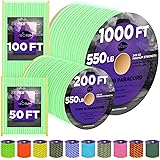
Making fire is a cornerstone of wilderness survival. The bow drill is a powerful friction fire method. However, the string used for the bow is often overlooked. Survival books sometimes suggest using shoelaces. They also mention plant fibers. Many shoelaces, especially leather ones, often break. They might also stretch too much. This makes them impractical. Creating string from plant fibers is indeed possible. Dogbane, stinging nettle, and milkweed are examples. Yet, it takes a tremendous amount of time. It could take two days to craft a usable string. This is not feasible in an emergency situation. What if strong fibers are unavailable? What if it’s winter? You need reliable gear. Always carry a length of paracord. It is strong, durable, and readily available. Paracord might stretch a little at first. Tighten it a couple of times. Then it will hold its tension. This ensures you can successfully start a fire.
Unreliable Fire Starting Methods
Beyond the bow drill, other fire methods exist. Some are shown in movies or niche videos. The “sandwich bag” method uses a plastic bag as a lens. It can work in specific, intense sunlight conditions. However, it fails completely on cloudy days. It is not a consistently practical solution. Another technique involves using clear ice as a magnifying lens. This sounds intriguing. Yet, finding truly clear ice is very difficult. Most ice is milky or opaque. Even if found, winter sun lacks intensity. It often cannot create enough heat to start a fire. The video notes this method does not work in reality. It is a movie illusion.
The “fire roll” method is another complex skill. It often requires specific ashes. You need these to help the cotton smolder. This implies a previous fire was already made. These methods are interesting experiments. They are not reliable for real emergencies. Always carry multiple fire starting tools. A lighter and a ferro rod are excellent choices. A ferro rod works even when wet. These reliable tools are crucial for any wilderness survival kit.
Accurate Plant Identification: A Matter of Life and Death
Correct plant identification is paramount for survival. Misinformation is common, even in books and videos. The video highlights several critical errors. One example discusses “salmonberries.” Many mistake thimbleberries for salmonberries. Thimbleberries have large, maple-leaf-shaped leaves. They produce dark red, dome-shaped berries. Salmonberries have distinct three-part leaves. Their berries can be reddish or yellowish-orange. The difference is clear once you know what to look for.
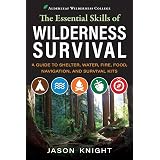
Another identification challenge involves “soapberry” versus “honeysuckle.” The book shown in the video misidentifies them. Soapberries have dark green leaves. The undersides are fuzzy. Berries grow *below* the leaves on the stem. They ripen to a dark red. Honeysuckle leaves are smooth. Their berries are often orangey. They grow *above* the leaves. Honeysuckle berries are mildly toxic. Soapberries are edible but very bitter. Relying on a single feature for identification is dangerous. Always look for multiple distinguishing characteristics. Examine leaf shape, berry color, growth pattern, and leaf texture. Cross-reference with several reliable field guides. Your life literally depends on getting it right.
The Danger of Taste-Testing Berries
A final, incredibly dangerous survival myth centers on taste. Some sources claim edible berries are sweet. They also say bitter berries are poisonous. This is completely false. The video offers soapberries as a counterexample. They are extremely bitter. Yet, they are perfectly edible. Conversely, some toxic berries can taste pleasant. Twinberries, for instance, taste fairly good. However, they can be dangerous. Never use taste as a test for edibility. It is an unreliable and potentially fatal method. Always identify plants definitively. If you are unsure, do not eat it. Prioritize your safety above all else in wilderness survival.
Your Survival Q&A: Dodging Death and Disaster
Is it safe to rub snow on frostbitten skin to warm it up?
No, rubbing snow on frostbitten skin is a dangerous myth. It will cool the affected tissue further and cause more damage, so you should never do it.
If birds eat a berry, does that mean it’s safe for humans to eat too?
No, this is a dangerous myth because birds have different digestive systems than humans. Many berries that birds can safely eat are toxic or even lethal to humans.
Can I use moss growing on trees to figure out which way is north if I’m lost?
No, relying on moss for navigation is not reliable. Moss grows wherever it finds damp, shady conditions, often on all sides of a tree, not just the north.
In a survival situation, should I drink my own urine if I’m thirsty?
No, drinking urine is a critical mistake that will dehydrate you faster. It contains concentrated salts and waste products that force your kidneys to use even more water to process.
Is it safe to taste-test unknown berries to see if they are edible?
No, you should never use taste to test for edibility. Some toxic berries can taste pleasant, while some edible ones can be very bitter, making taste an unreliable and dangerous method.