Building a reliable Individual First Aid Kit (IFAK) is a cornerstone of personal preparedness, offering the crucial ability to manage life-threatening injuries when professional medical help might be minutes or even hours away. While many excellent pre-made kits are available, they often come with a significant markup, reflecting the labor and expertise involved in their curation. As demonstrated in the accompanying video, assembling your own IFAK can provide substantial cost savings without compromising on the quality of essential, life-saving components. This approach empowers you to select specific items based on your budget, anticipated risks, and personal training, ensuring you have the right tools to address critical trauma.
The core philosophy behind a self-assembled IFAK is to prioritize interventions for severe, life-threatening conditions such as massive hemorrhage, airway obstruction, and hypothermia. Unlike a general household first aid kit filled with bandages for minor scrapes, a true trauma kit focuses on immediate, impactful interventions that can stabilize a patient until advanced care arrives. This guide expands on the video’s insights, offering a deeper dive into component selection, proper storage, and effective deployment strategies for your custom trauma kit.
Why Building Your Own Individual First Aid Kit Makes Sense
Pre-packaged trauma kits offer convenience and expert curation, but this comes at a premium. Manufacturers typically add a 10-20% markup to cover assembly, research, and overhead. While the video suggests that building a kit for “half as much” is an exaggeration, significant savings are indeed possible when you source components individually. This DIY approach not only reduces upfront costs but also allows for greater customization. You can tailor your IFAK to specific environments, such as a trail running pack, a vehicle kit, or a home emergency supply, optimizing its contents for the most probable scenarios you might encounter.
The process of researching and selecting each item also deepens your understanding of its purpose and application. This knowledge is invaluable during a high-stress emergency, where quick, decisive action is paramount. By understanding the function of each piece of medical equipment, you enhance your readiness and confidence in deploying your trauma kit effectively.
Essential IFAK Components: Prioritizing Life-Threatening Care
When constructing an Individual First Aid Kit, the focus must remain on the most critical, time-sensitive interventions. The hierarchy of needs in trauma care often begins with stopping massive bleeding, securing an airway, and preventing hypothermia. The items listed below follow a logical order of importance, allowing you to build your kit incrementally if budget is a concern.
Packing Gauze and Hemostatic Agents: Controlling Severe Bleeding
The absolute first item to include in any life-saving trauma kit is a form of packing gauze. This material is designed to be tightly inserted into deep wounds, particularly in areas where a tourniquet cannot be applied effectively, such as the armpit, groin, or base of the neck—known as junctional sites. While specialized hemostatic gauze like QuikClot Combat Gauze is considered the “gold standard” dueating to its blood-clotting properties, its price point of $44-45 can be a barrier for many.
Fortunately, simple packing gauze, costing around $4, offers very similar survival rates when used correctly. The mechanical pressure of packing a wound, combined with direct pressure, is incredibly effective at controlling severe bleeding. Choosing between standard packing gauze and a hemostatic variant depends on your budget, but the critical takeaway is to have some form of gauze readily available for deep wound packing. This versatile tool can even serve as a temporary pressure dressing on an extremity wound if a commercial tourniquet isn’t immediately at hand.
Tourniquets: Rapid Extremity Hemorrhage Control
Following packing gauze, a reliable tourniquet is indispensable for managing severe bleeding on an extremity. Devices like the CAT (Combat Application Tourniquet) are widely recognized for their effectiveness and ease of use. The Committee for Tactical Combat Casualty Care (TCCC) regularly updates its recommendations for approved tourniquets, which now include several options beyond just the CAT and SOFTT-W. Researching the TCCC guidelines ensures you are selecting a proven and effective device.
When purchasing a tourniquet, extreme caution is necessary, as the market is flooded with counterfeit products, particularly from online marketplaces like Amazon. These counterfeits, often priced too good to be true, are notorious for failing under stress; windlasses break, and straps snap. Always purchase medical supplies from reputable dealers like Medical Gear Outfitters to guarantee authenticity and reliability. For civilian use, bright colors like orange can be advantageous, making the tourniquet highly visible for emergency responders.
Pressure Dressings: Sustaining Direct Pressure
Once initial bleeding control is achieved with gauze packing or a tourniquet, a pressure dressing provides sustained, firm compression over the wound. Items such as the NAR Emergency Trauma Dressing (ETD), priced around $9, are excellent for this purpose. These dressings are versatile, capable of securing gauze in a junctional wound, wrapping head injuries, or applying direct pressure to extremity wounds that are bleeding severely but may not warrant a tourniquet.
Pressure dressings are designed to be easily applied, often featuring an integrated pressure bar or closure system that ensures consistent compression. While not as high-acuity as a tourniquet or hemostatic gauze, an effective pressure dressing significantly aids in managing moderate to severe bleeding and protects the wound site from contamination.
Mylar Blankets: Combating Hypothermia in Trauma
The importance of maintaining a casualty’s core body temperature is often underestimated but is critical in trauma care. Even on a warm day, a severely injured individual can quickly become hypothermic, which significantly impairs the body’s ability to clot blood. Research indicates that the body’s clotting mechanisms begin to fail below 95 degrees Fahrenheit (35 degrees Celsius). A simple Mylar “space blanket,” costing around $5, reflects heat back to the body, helping to prevent or mitigate hypothermia.
These lightweight, compact blankets are an essential addition to any trauma kit. While basic Mylar blankets are effective, higher-quality options from manufacturers like North American Rescue offer enhanced insulation and durability. Regardless of the type, the ability to rapidly warm and insulate a trauma patient can dramatically improve their chances of survival by supporting their natural clotting processes.
Nasal Pharyngeal Airway (NPA): Securing the Airway
An open airway is fundamental to life, and trauma can easily compromise it. A Nasal Pharyngeal Airway (NPA) is a soft, flexible tube inserted into the nostril to create an open passage from the nose to the back of the throat, bypassing obstructions like a relaxed tongue or swelling. A single NPA typically costs $5-6, but variety packs with different sizes might run around $30. It’s crucial to size an NPA appropriately to the individual.
While a 28 French NPA is a common standard in military Individual First Aid Kits, designed for adult males, this may not be suitable for everyone in a civilian context. If you are building a kit for family or a diverse group, consider including a range of sizes. Proper training in NPA insertion is vital; incorrect placement can cause further injury. The NPA is an advanced but highly effective tool for managing airway obstruction in an unconscious patient.
Enhancing Your Individual First Aid Kit: Beyond the Essentials
While the core components focus on immediate life threats, several other items can significantly enhance the versatility and utility of your individual first aid kit, addressing both minor injuries and practical considerations in a trauma scenario.
General Bandages and Antiseptics for Minor Wounds
Beyond the critical trauma supplies, it’s practical to include a few basic items for minor injuries. Simple 4×4 gauze pads, costing mere cents, are useful for covering scrapes, small cuts, or providing initial absorption for minor bleeding that doesn’t require advanced interventions. While your primary IFAK targets major trauma, having a few general-purpose bandages means you won’t need to dip into your specialized supplies for everyday boo-boos.
Consider adding a small antiseptic wipe or a single-use packet of antibiotic ointment to clean and protect minor wounds. These items prevent infection and promote healing, demonstrating the comprehensive nature of a well-rounded personal medical kit.
Protective Gloves: A Barrier for Caregivers
Gloves are an inexpensive yet crucial component for protecting both the caregiver and the patient from potential cross-contamination. While the human skin provides an excellent barrier in hyper-emergency situations, especially if your hands are intact, gloves offer an added layer of safety against bloodborne pathogens and other contaminants. You can acquire several pairs of medical-grade gloves for very little cost, or even use heavy-duty food service gloves in a pinch.
Always aim to don gloves before making contact with a bleeding patient. However, if gloves are not immediately accessible, do not delay life-saving care. The priority is to stop the bleeding; personal protection can be addressed concurrently or immediately after securing the most critical interventions, provided your own hands are free of open wounds.
Trauma Shears: Access and Efficiency
Trauma shears are powerful, blunt-ended scissors designed to quickly and safely cut through clothing, seatbelts, or other materials to gain access to a wound. High-end shears like XShears can cost around $40 and offer superior cutting ability and durability, making them ideal for professional or frequent use. For an individual building a personal kit, a basic pair of trauma shears, available for $5 or less, will serve the purpose effectively for occasional emergency use.
Regardless of cost, the ability to rapidly expose a wound without causing further injury is invaluable. Cheap shears are perfectly adequate for the infrequent, critical need of a personal IFAK. Place them where they can be accessed immediately, perhaps even taped to the outside of your kit, as they are often the first tool needed in a trauma situation.
CPR Face Shields: A Personal Choice
While traditionally included in many first aid kits, a CPR face shield or barrier device is increasingly considered optional in a life-saving IFAK, especially for lay rescuers. Modern guidelines, particularly for adults, emphasize hands-only CPR, which focuses solely on continuous, high-quality chest compressions. Studies have shown that for out-of-hospital cardiac arrest, hands-only CPR can be as effective as conventional CPR (with breaths) for survival, especially in the initial critical minutes.
In a high-stress, civilian emergency, the priority is to maintain blood flow to the brain and vital organs through compressions. If you are trained in CPR with rescue breaths (30 compressions to 2 breaths) and feel comfortable performing them, including a face shield is a reasonable choice. However, if your training emphasizes hands-only CPR, its absence does not diminish the effectiveness of your overall trauma kit for managing massive bleeding or airway obstructions.
Smart Storage Solutions for Your Individual First Aid Kit
How you store your Individual First Aid Kit is nearly as important as what you put in it. Effective storage ensures protection from the elements, compactness for portability, and rapid accessibility when seconds count. The video showcases several viable options, from simple to advanced.
Vacuum Sealing: Compactness and Protection
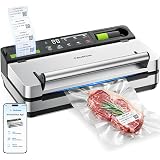
Vacuum sealing your IFAK components offers several significant advantages. It creates an incredibly compact package, expelling all air and compressing items tightly, making the kit easy to slip into a backpack, glove compartment, or desk drawer. More importantly, vacuum sealing provides superior protection against moisture, dirt, and other environmental contaminants, extending the shelf life of your medical supplies. Many households already own a vacuum sealer for food preservation, but dedicated models can be purchased for $30 and up.
When vacuum sealing, consider the quality of the bags. As highlighted in the video, some bags may have quality issues, so investing in durable, puncture-resistant bags is wise. A potential drawback of vacuum sealing is that it creates a homogenous block of supplies, which can make individual items less immediately discernible compared to a well-organized nylon pouch. However, for sheer protection and space efficiency, it’s an excellent method for your trauma kit.
Simple Plastic Bags: The Budget-Friendly Option
For the most basic and budget-conscious approach, a heavy-duty Ziploc bag or similar plastic bag works remarkably well. These bags are inexpensive, readily available, and provide a basic level of protection against moisture and dust. They are also incredibly versatile, allowing you to quickly assemble a kit and store it virtually anywhere. While they don’t offer the same level of compression or ruggedness as vacuum sealing or specialized nylon cases, they are perfectly suitable for everyday carry or a vehicle kit where extreme conditions are less likely.
Nylon Cases: Organization and Specific Mounting
Nylon cases, often featuring MOLLE (Modular Lightweight Load-carrying Equipment) webbing, are designed for specific mounting applications on tactical vests, backpacks, or belts. These cases excel at organization, often having elastic loops, mesh pockets, and compartments that keep each item in a designated spot, making selection faster under stress. However, if you don’t require the mounting capability or the specific organizational structure, a nylon case can be overkill and potentially bulkier than necessary for general purposes.
Assess your needs: if you frequently carry your IFAK on a hiking pack, a plate carrier, or need highly structured access, a nylon case might be ideal. For casual carry in a backpack or vehicle, a vacuum-sealed or even a plastic bag might be more practical and less conspicuous for your individual first aid kit.
Optimizing Accessibility: Packing Your Trauma Kit Strategically
Regardless of your chosen storage method, the way you pack your IFAK components is crucial. In a high-stress emergency, you need immediate access to the most critical, time-sensitive items. Strategic packing ensures that high-acuity items are at the top or most accessible layer, minimizing fumbling and maximizing efficiency.
When packing a vacuum-sealed kit, as demonstrated in the video, a logical order would be:
- Tourniquet: Place it first, as it’s often bulky and needs to be grabbed quickly.
- Chest Seals (if included): Their flat profile allows them to fit neatly behind the tourniquet.
- Packing Gauze/Hemostatic Gauze: Essential for deep wound packing, position it easily reachable.
- Emergency Trauma Dressing (ETD): Less time-critical than immediate bleeding control, it can be placed behind primary hemorrhage items.
- Mylar Survival Blanket & Combat Gauze (if separate): Group similar-sized items to fit compactly.
- NPA (Nasal Pharyngeal Airway): Position it for access once bleeding is controlled and airway assessment begins.
- Gloves: Place them on top, allowing for quick retrieval to protect the caregiver.
This layered approach ensures that the tools you need first are readily available, even if the entire kit is somewhat jumbled once opened. Practicing opening and deploying your kit in a non-stressful environment is highly recommended to build muscle memory.
Rapid Access to Your Sealed Kit
One common concern with vacuum-sealed kits is how to open them quickly without additional tools. The video provides an excellent technique: create a small, shallow slit along the flat plastic margin of the sealed bag (the area without the cross-pattern) on both ends. This small incision creates a weak point that allows you to simply tear the bag open with your hands, providing instant access to your supplies. While this method is highly effective, it’s always prudent to carry trauma shears externally, perhaps taped to the outside of your IFAK, as a failsafe for rapid access to your critical individual first aid kit components.
IFAK Q&A: Build Smart, Save Big
What is an IFAK?
An IFAK stands for Individual First Aid Kit. It’s a personal kit designed to manage life-threatening injuries when professional medical help might be minutes or hours away.
Why should I build my own IFAK instead of buying a pre-made one?
Building your own IFAK can provide substantial cost savings and allows you to customize the contents based on your specific needs, budget, and anticipated risks. This process also helps you understand each item’s purpose better.
What is the main purpose of an IFAK?
The main purpose of an IFAK is to prioritize interventions for severe, life-threatening conditions like massive bleeding, airway obstruction, and preventing hypothermia. It focuses on stabilizing a patient until advanced care arrives.
What are some essential items to include in an IFAK for life-threatening bleeding?
Essential items for life-threatening bleeding include packing gauze for deep wounds and a reliable tourniquet for severe bleeding on an arm or leg. A pressure dressing also helps sustain compression on a wound.
How can I store my IFAK to keep it compact and protected?
Vacuum sealing your IFAK components is an excellent way to make the kit incredibly compact and protect the supplies from moisture and dirt. You can also use heavy-duty plastic bags or specialized nylon cases for storage.